
Innovation
Continued innovation will not only develop the next generation of affordable technologies needed to rapidly reduce, capture, and store greenhouse gas emissions, but also continue to grow a clean energy economy that already supports millions of clean energy jobs across the United States.
Artificial intelligence (AI) is revolutionizing industries worldwide, and energy is no exception. With its ability to optimize grid management, enhance equipment reliability and accelerate innovation, AI promises a more efficient, sustainable and secure energy future. However, America’s ability to maintain its leadership in this transformative field is at risk. China, our primary geopolitical rival, is […]
CRES Forum hosted the sixth and final CRES Academy session of 2024, “Nuclear 101: The Role of Nuclear Technologies in Powering the Future.” The session explored the vital importance of nuclear assets for the future of energy in the U.S., including the different regulatory environments that nuclear utilities operate in, the deployment challenges that nuclear […]
National Clean Energy Week (NCEW) 2024 brought together policymakers, industry leaders and advocates to discuss the future of clean energy in the U.S. and abroad. The NCEW Policymakers Symposium featured two full days of in-person programming at the Conrad in Washington, D.C. With a robust lineup of panels, congressional speakers, and thought-provoking discussions, NCEW […]
Constellation Energy announced the reopening of the Three Mile Island Unit 1, a reactor that was prematurely decommissioned in 2019 due to economic conditions. When the unit shuttered, Pennsylvania lost a major source of clean energy generation. To meet the projected energy needs of not only the United States, but the world, we need more […]
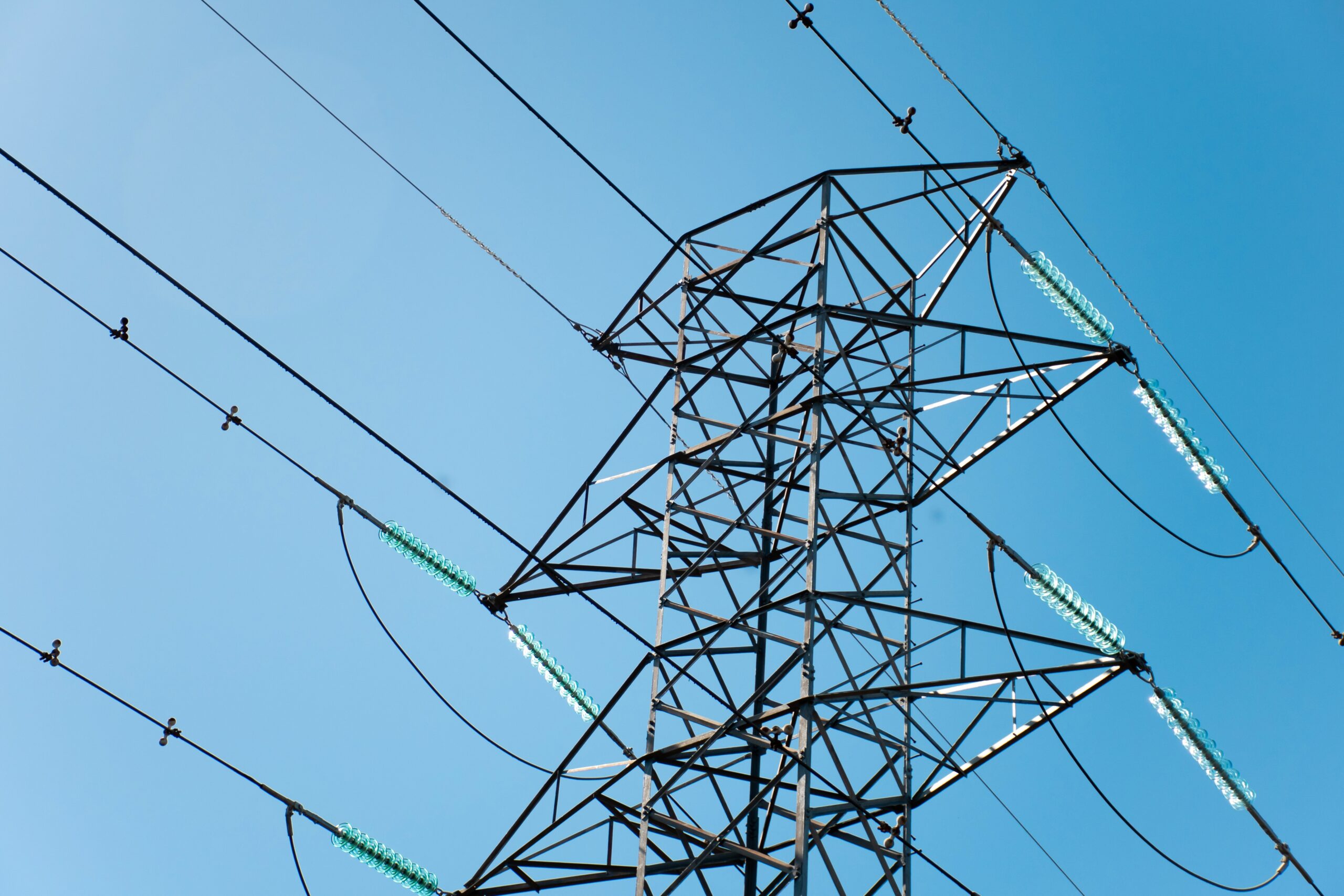
The U.S. Department of Energy (DOE) recently announced a massive $2.2 billion investment in the nation’s electric grid, targeting eight projects across 18 states. This investment will bolster the grid against extreme weather events, reduce energy costs for consumers and increase grid capacity. Funded by the bipartisan Infrastructure Investment and Jobs Act’s Grid Resilience and […]
Introduction The United States is experiencing a historic period of load growth and resource demand led by new manufacturing, industrial facilities and data centers. In this context, carbon capture utilization and storage (CCUS) technologies are emerging as a crucial solution – and one of the most cost-effective – to address the challenge of meeting increased […]
Amazon recently released its 2023 Sustainability Report, which outlines their dedication to carbon-free energy and showcases U.S. industry leadership in clean energy. The report announces that Amazon achieved a 3 percent decrease in absolute carbon emissions and a 13 percent decrease in carbon intensity from 2022, reaching its goal to power global operations with 100 […]
Citizens for Responsible Energy Solutions (CRES) Forum is celebrating the recent announcement from Microsoft and Occidental Petroleum highlighting the largest direct air capture (DAC) agreement to date! Microsoft has agreed to purchase 500,000 metric tons of carbon credits from Occidental’s Stratos plant in Texas. By investing in DAC, Microsoft aims to significantly reduce its carbon […]
Breakthrough Energy recently announced that their State of the Transition report was honored with a Webby Award in the Science category. The Webby Awards, often referred to as the “Oscars of the Internet,” recognize excellence across various digital domains, including digital arts and sciences. This award emphasizes the significant impact and quality of Breakthrough Energy’s […]
To celebrate the release of CRES Forum’s newest white paper, “Growing an Industry for Clean Hydrogen,” our team hosted a briefing and networking event, “Will Hydrogen Have its Moment?,” to convene industry leaders, congressional staff and key stakeholders to discuss the potential of hydrogen to reduce global emissions, as well as the challenges and opportunities […]