
The U.S. grid is widely considered a massive engineering achievement—and it’s how our country enjoys reliable, abundant and affordable electricity. In fact, the grid successfully balances supply and demand in real time and manages disruptions without having customers see interruption. Our electricity is incredibly reliable—with power available to consumers almost 99.95% of the time.i As our nation sees electricity needs grow, the grid will need reinvestment to ensure we continue to enjoy this reliability. To prepare for future needs, we must reinvest in the grid by supporting existing systems, deploying new technological innovations and expanding infrastructure.
What is the Grid?
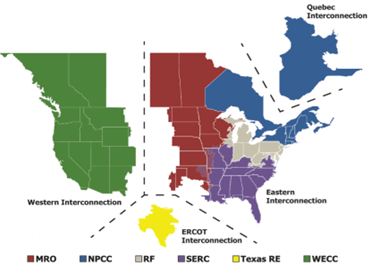
Figure 1. The Three Major Interconnections
What is known as the grid is a network of interconnected regional systems, led by the Eastern, Western, and Texas interconnections (Figure 1).ii
It delivers electricity from power plants to homes, businesses, hospitals and military bases across the nation. It is composed of over 26,800 generating units with a combined capacity of over 1.3 TW,iii which produce electricity that travels over more than 700,000 miles of transmission lines.iv It also supports American jobs, with the American power sector supporting over 7 million direct and indirect jobs – nearly 1 in 20 jobs in America.v
Core Components of the Grid
- Generation: Where power is produced.
- Transmission: High-voltage lines that move power over long distances.
- Distribution: Local lines that deliver power to consumers.
- Consumption: Where electricity is used—homes, businesses, industry, and essential services (Figure 2).vi
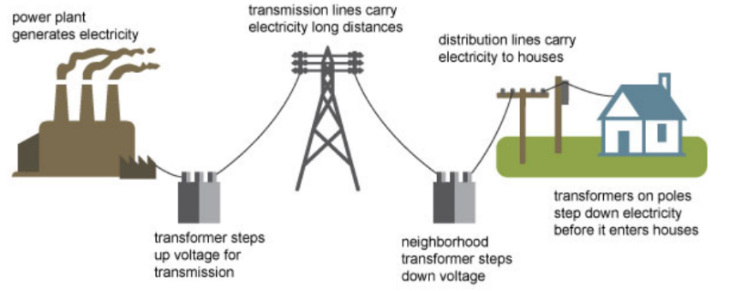
Figure 2. Electricity Generation, Transmission and Distribution
Grid Institutions, Markets, and Ownership Models
While generation, transmission and distribution form the physical electricity supply chain, a distinct set of institutions, business models, and market structures govern how that system is operated, regulated and financed across the U.S.
- Utility Ownership and Business Models. Utility companies are generally responsible for operating the electricity supply chain in the public interest. There are three primary utility ownership models:vii
- Public (municipal) utilities: Owned by local governments and operated on behalf of the communities they serve.
- Electric cooperatives: Collectively owned by their customers and governed by elected boards.
- Investor-owned utilities (IOUs): Privately owned companies that operate for shareholder return and are regulated by state utility commissions.
- State-driven market structures. States choose how electricity is bought and sold (through competitive wholesale markets or traditionally regulated utility models), which in turn shapes how generation assets are developed, how power is priced and how grid investments move forward.
- Regional power markets.
- Grid operations and wholesale electricity markets are coordinated across large multi-state regions. In much of the country, electricity is bought, sold and dispatched through centrally coordinated regional markets. Major market regions include PJM, MISO, CAISO, NYISO, ISO New England, SPP, and ERCOT—which operates largely within Texas as a standalone interconnection (Figure 3).viii
- Other regions—including much of the Southeast and the Pacific Northwest—do not participate in centralized wholesale markets and instead rely primarily on bilateral wholesale power markets under traditionally regulated utility structures.
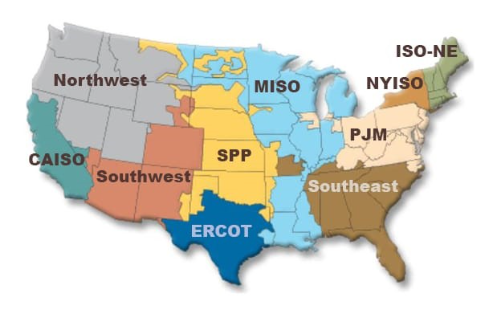
Figure 3. Regional Electric Power Markets
The Grid Is Facing 21st-Century Challenges
While the U.S. grid is among the most complex and far-reaching engineered systems in the world, it faces growing challenges:
- Aging Infrastructure: Much of the nation’s grid infrastructure was built in the 1960s and 1970s. Today, around 70% of transmission and distribution lines are operating in the latter half of their life expectancy, and some grid components are nearing or even far exceeding their 50-year expected service life.ix
- Permitting Delays: Lengthy and complex processes can slow the construction of new infrastructure needed to expand capacity and maintain reliability.
- Rising Electricity Demand: Meeting growing demand driven by economy-wide electrification, data center growth and manufacturing resurgence is critical to sustained economic growth. According to a recent ICF report,x U.S. electricity demand could grow up to 25% by 2030 and up to 78% by 2050.
- Major Weather Events: Storms, wildfires and flooding are having increasing impacts, driving higher repair costs and service disruptions while adding strain to an already heavily utilized grid.xi
- Congestion: In some regions, transmission corridors can’t always move enough electricity to where it’s needed due to safety and reliability limits. This results in higher costs,xii reduced flexibility during emergencies and a constrained ability to support new load growth.
- Interconnection Queues: New power plants and large electricity users can wait years to connect to the grid as operators carry out engineering studies and identify upgrades needed to maintain reliability. This slows project development and associated private investment.xiii
- Security Concerns: As our grid becomes more digitally enabled, the number of potential cyber entry points increases. In 2025, utilities in North America faced an 88% increase in cyberattacks (averaging ~2,000 per week), according to research by Check Point.xiv
Opportunities to Modernize the Grid
Uprates: Getting More Power from Existing Lines
Uprating transmission lines involves implementing engineering upgrades that safely increase capacity on existing corridors. These upgrades can be deployed relatively quickly, minimizing the need for additional land use, rights of way, construction or permitting processes.
- Advanced Reconductoring: Replacing older steel-reinforced aluminum wires with modern high-temperature conductors, such as carbon-fiber composite-core materials, which can carry more electricity while maintaining safety clearances (traditional steel cores expand when hot, causing sag that can force operators to limit power flows). Reconductoring can be completed in 1-3 years, can potentially double the capacity of existing transmission corridors, and cost 50% less than building a new line.xv
- Structural and Clearance Upgrades: Strengthening towers, adding dampers or raising attachment points so lines can safely carry higher loads while meeting clearance rules.
- Voltage Uprating: Often paired with structural and insulation upgrades, this raises operating voltage so more power can flow over existing lines without increasing current or sag.
Making the Grid Smarter
Digital tools can optimize how existing assets are used in real time, while improving visibility into emerging risks.
- Dynamic Line Ratings: Installing sensors that measure temperature, wind and sag so operators can adjust a line’s rating (how much electricity it can safely carry without excessive heating and sag). On cool, windy days, for example, more power can often flow without compromising safety.
- Digital Monitoring: Using devices such as fault detection sensors and weather stations to reduce risk. These can identify abnormal conditions—such as short circuits, damaged equipment or external hazards—so operators can isolate problems quickly and prevent wider outages. Cameras and smoke-detection technologies can also help identify early signs of wildfire risk near transmission assets.
Grid-Edge and Storage Technologies
- Grid-Edge Devices: Provide real-time visibility into local conditions and help balance supply and demand. For example, smart meters and local controls can automatically adjust energy use during peak hours (e.g. briefly reducing power to large equipment or EV chargers) to keep the system stable and avoid overloads.
- Battery Systems: Can deliver power quickly to support peak demand, help keep electricity flowing at a steady frequency during sudden disruptions, and enhance resilience for critical facilities. Storage can also play a critical role in preventing or delaying the need for new transmission lines by storing excess energy during low demand and releasing it during peak times, thereby relieving grid congestion.
AI and Advanced Analytics
AI tools can act as a software layer across the grid, helping utilities operate more efficiently and reliably by:
- Forecasting energy demand and potential congestion to move electricity more efficiently.
- Predicting when key equipment needs servicing to prevent failures and reduce wildfire risk.
- Accelerating interconnection studies and grid planning by speeding up power-flow modeling and engineering analyses that might otherwise take months.
Grid Innovation Matters
- Faster Than Building New Lines: Many upgrades can be deployed within months rather than years.
- Cost-Effective: Gets more value from existing infrastructure before committing to costly new construction that would ultimately be borne by ratepayers.
- Resilience and Energy Security: Improves the grid’s ability to withstand storms, cyber threats and other disruptions while maintaining reliable service.
- Economic Competitiveness: Relieves congestion and improves system flexibility, helping data centers, factories and energy projects connect faster.
Federal Efforts to Support Innovation & Infrastructure
Federal agencies are actively supporting grid modernization through funding, research and financing tools that catalyze private investment and accelerate deployment of advanced grid technologies.
In October 2025, for example, DOE’s Office of Energy Dominance Financing (EDF, formerly the Loan Programs Office) approved a $1.6 billion loan guarantee for reconductoring and rebuilding around 5,000 miles of transmission lines across Indiana, Michigan, Ohio, Oklahoma, and West Virginia.xvi In September 2025, DOE also launched its “Speed to Power” Initiative to accelerate large-scale transmission and generation project deployment. In March of 2026, for example, DOE announced $1.9 billion to accelerate power grid upgrades through the Speed to Power through Accelerated Reconductoring and other Key Advanced Transmission Technology Upgrades (SPARK) funding opportunity. In parallel, DOE’s Advanced Research Projects Agency–Energy (ARPA-E) continues to invest hundreds of millions of dollars in early-stage energy innovation, supporting next-generation grid technologies that improve efficiency, flexibility, and resilience.xvii
Sustaining these kinds of efforts will be critical to mobilizing private capital needed to modernize the grid, improve affordability, and meet rising electricity demand.
Conclusion
Grid innovation technologies can quickly increase capacity, improve reliability and strengthen security — buying time for longer-term infrastructure while supporting economic growth today.